
Better Walls Can Help Keep Indoor Air Steadier and Rooms More Comfortable
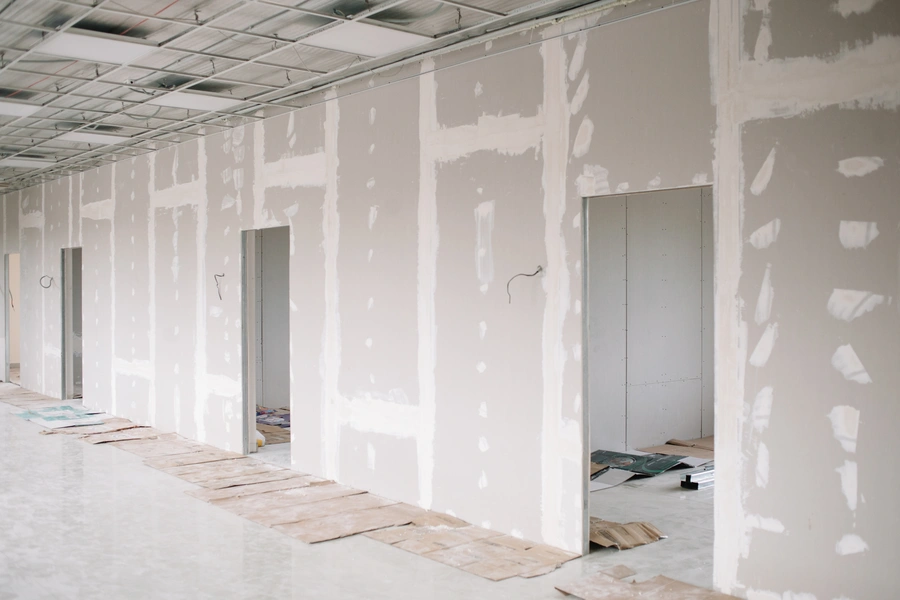
drywall installation helps home insulation and comfort by closing gaps, covering framing, and creating a solid wall surface that supports better temperature control. When drywall is installed the right way, it can help keep warm air inside during winter and hot air out during summer. It also helps reduce drafts, supports sound control, and makes rooms feel more even from one area to another. In homes around Springfield, VA, this can make daily living feel more comfortable all year.
Quick Answer
Good drywall work does more than make walls look smooth. It helps your home hold treated air better. That means your heating and cooling system does not have to work as hard. Drywall panels, joint tape, and wall finishing all play a part. When seams are sealed well and gaps are addressed, air movement drops. Less air movement inside wall areas can help your insulation do its job better.
This topic fits a how-to and educational search because many homeowners want to know how wall work affects comfort. The short answer is simple: drywall is one layer in a full wall system. It is not the only thing that insulates a home, but it supports the insulation already inside the walls.
What You Need Before Starting
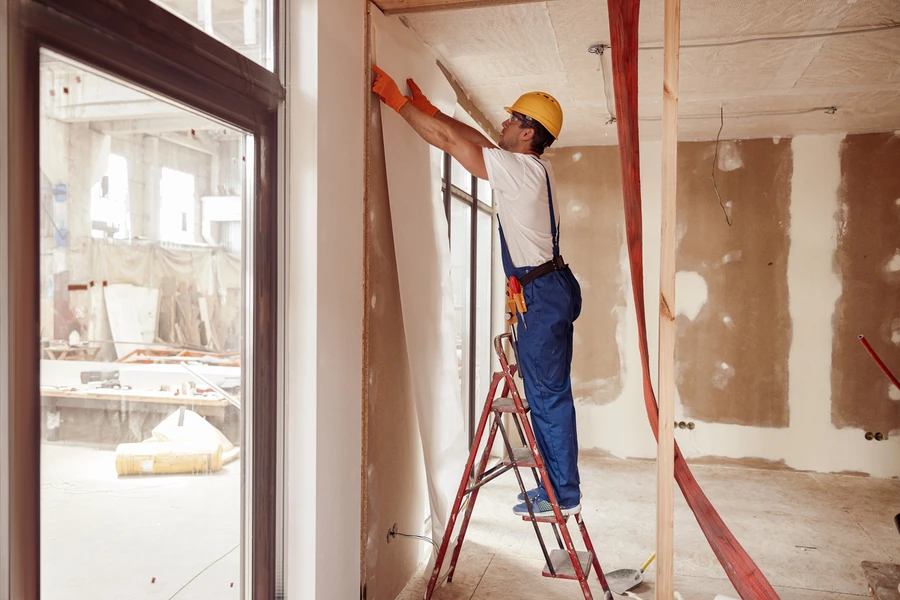
Before any drywall installation begins, it helps to look at the wall as a whole. Insulation, framing, wiring, and air gaps should be checked first. If there are holes around outlets, pipes, windows, or wall edges, those spots can let air pass through. Drywall covers these areas, but the best results come when the wall cavity is prepared well before the panels go up.
You may also want to think about the room’s use. A bedroom, home office, or living room may need better sound control along with better comfort. In that case, the service category keyword can include wall finishing and related prep work that help create a tighter, cleaner result.
- Drywall panels sized for the space
- Insulation already placed in wall cavities
- Joint tape and compound
- Sealant for small gaps and edges
- Proper fasteners and tools
- A plan for outlets, corners, and window areas
Step-by-Step Process
Here is how drywall installation supports insulation and comfort during the work process.
- Check the wall framing and insulation before hanging panels.
- Seal obvious gaps around pipes, wires, and wall openings.
- Measure and cut drywall to fit tightly and neatly.
- Attach panels firmly so they sit flat against framing.
- Tape and finish seams to close breaks between sheets.
- Address corners, outlet cuts, and ceiling joints with care.
- Finish the surface so the wall acts as one continuous layer.
Each step matters. If panels are loose, cut poorly, or left with open seams, air can move through those weak points more easily. That can make some rooms feel drafty or uneven. A tighter wall assembly helps insulation stay more effective behind the surface.
Common Mistakes to Avoid
Many comfort problems come from small errors. A wall can look fine from a distance but still have hidden gaps. One common mistake is leaving spaces around outlets or trim areas. Another is poor seam finishing. When seams are not taped and coated well, the wall surface is less complete. That can affect both comfort and durability.
People also forget that drywall alone is not a replacement for insulation. If wall cavities are empty or damaged, adding new drywall will not solve the full problem. Another mistake is rushing repairs after water damage. Wet or damaged material can lead to mold, soft spots, and poor indoor comfort if it is covered without fixing the source.
When Drywall Makes the Biggest Difference
Drywall installation often makes the biggest comfort difference in older homes, remodeled rooms, garage conversions, and spaces with exterior wall damage. In these cases, walls may have hidden leaks, missing sections, or poor sealing. New drywall gives you a chance to improve the full wall system at the same time.
For example, if one bedroom always feels colder than the rest of the house, the issue may not be just the HVAC system. It could be weak insulation, open wall seams, or gaps around the room’s outer walls. Reworking those surfaces can help the room feel steadier and less drafty.
When to Call a Professional
Some small patch jobs are manageable, but full drywall installation is often better handled by a professional team. Large rooms, ceiling work, damaged framing, and moisture issues need a careful approach. A professional can check the condition behind the walls, spot air leak points, and finish the surface correctly.
You may also want help if your energy bills are climbing, certain rooms never stay comfortable, or wall surfaces show cracks, soft spots, or signs of past leaks. In those cases, the wall problem may be larger than a simple cosmetic repair. Proper drywall work can support comfort, but only if the full issue is found and fixed.
Final Recommendation
If your home feels drafty, uneven, or harder to heat and cool, drywall installation may be part of the fix. A solid wall surface helps support insulation, reduce air leaks, and improve room comfort. For homes in Springfield, VA, it can be a smart step during remodeling, repairs, or upgrades. At Master Handyman LLC, we can inspect problem areas and help create smoother, tighter walls that support better comfort. Call us at (703) 952-2326 to talk about your next project.